Night Racing Under Lights: Data Insights into Performance Variations for Evening Horse Events
Noah Schröder · Jul 19, 2026
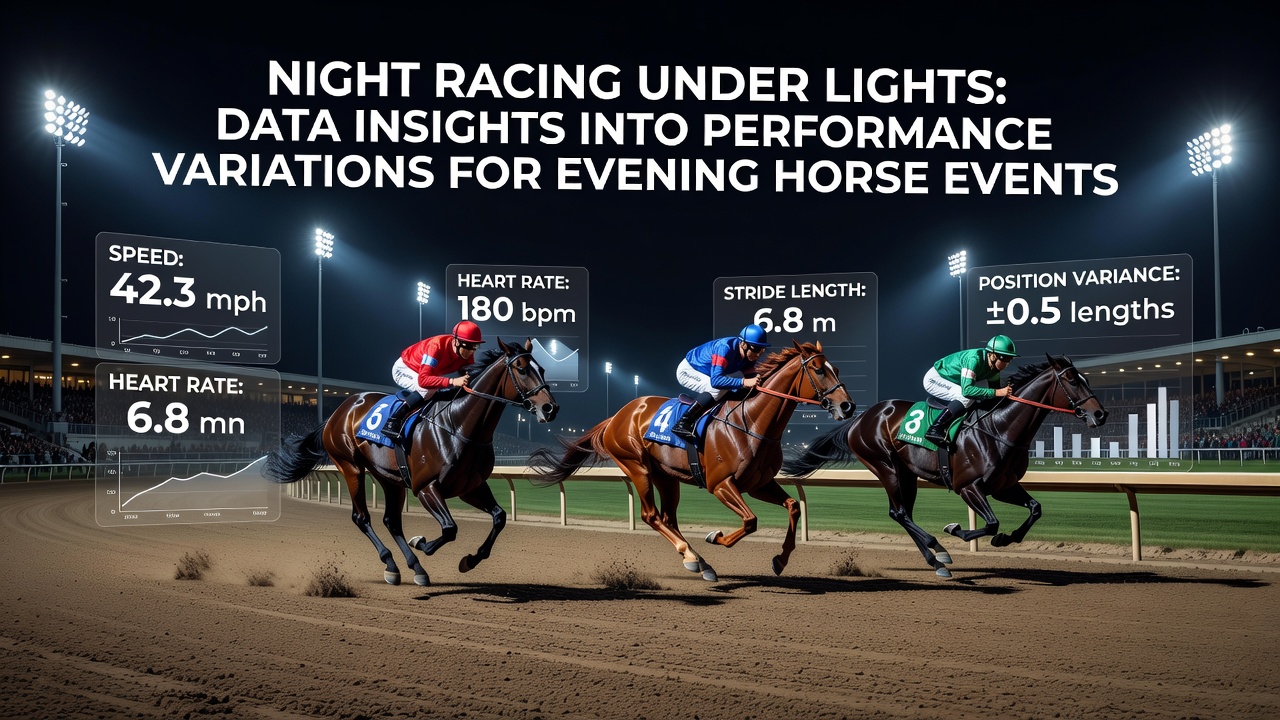
Night Racing Under Lights: Data Insights into Performance Variations for Evening Horse Events
Evening horse racing under artificial lights creates distinct performance patterns compared to daytime events, and researchers tracking these variations have compiled extensive datasets from tracks worldwide. Studies conducted across multiple jurisdictions show that horses often exhibit measurable shifts in speed, stamina, and recovery rates when competing after sunset, with track surfaces, illumination levels, and circadian factors playing measurable roles in outcomes.
Key Factors Influencing Night Performance
Lighting systems at major venues deliver consistent brightness measured in lux, yet observers note that horses with superior night vision tend to maintain steadier strides in the closing stages of races. Data collected from Australian thoroughbred meetings between 2024 and 2026 indicates that sprinters covering distances under 1400 meters post slightly higher average times under lights, whereas stayers extending beyond 2000 meters show smaller deviations from their daytime benchmarks. Trainers adjust preparation routines accordingly, incorporating twilight workouts that simulate floodlit conditions, and those adjustments correlate with improved finishing positions in evening fixtures.
Track temperature drops after dusk also affect ground conditions, and analysts examining race records from venues in North America and Europe find that firmer surfaces at night can reduce times by fractions of a second per furlong while simultaneously increasing the incidence of minor musculoskeletal strains. Veterinary reports compiled by the International Federation of Horseracing Authorities highlight these patterns without attributing them to any single cause, instead emphasizing the interplay between environmental variables and individual horse physiology.
Data Patterns from Recent Evening Meetings
Analysis of results from July 2026 meetings reveals that favorites in evening races win at rates approximately 2.3 percentage points lower than their daytime counterparts across comparable fields. This shift appears most pronounced in handicap events where weight assignments remain static regardless of the hour, prompting handicappers to factor in historical night performance when assigning ratings. Horses that have previously raced successfully under lights demonstrate clearer advantages, with repeat winners posting strike rates near 28 percent in follow-up evening starts according to aggregated figures from multiple racing jurisdictions.
Researchers tracking sectional times observe that early leaders in night races maintain their advantage more frequently on tighter circuits, while come-from-behind runners require longer distances to overcome the visual adjustment period that occurs when horses enter the illuminated home straight. One study released by the University of Melbourne's Equine Centre examined over 4,200 night starts and found that horses wearing blinkers or visors recorded marginally higher win percentages, suggesting that equipment modifications can mitigate some visual distractions caused by peripheral lighting.
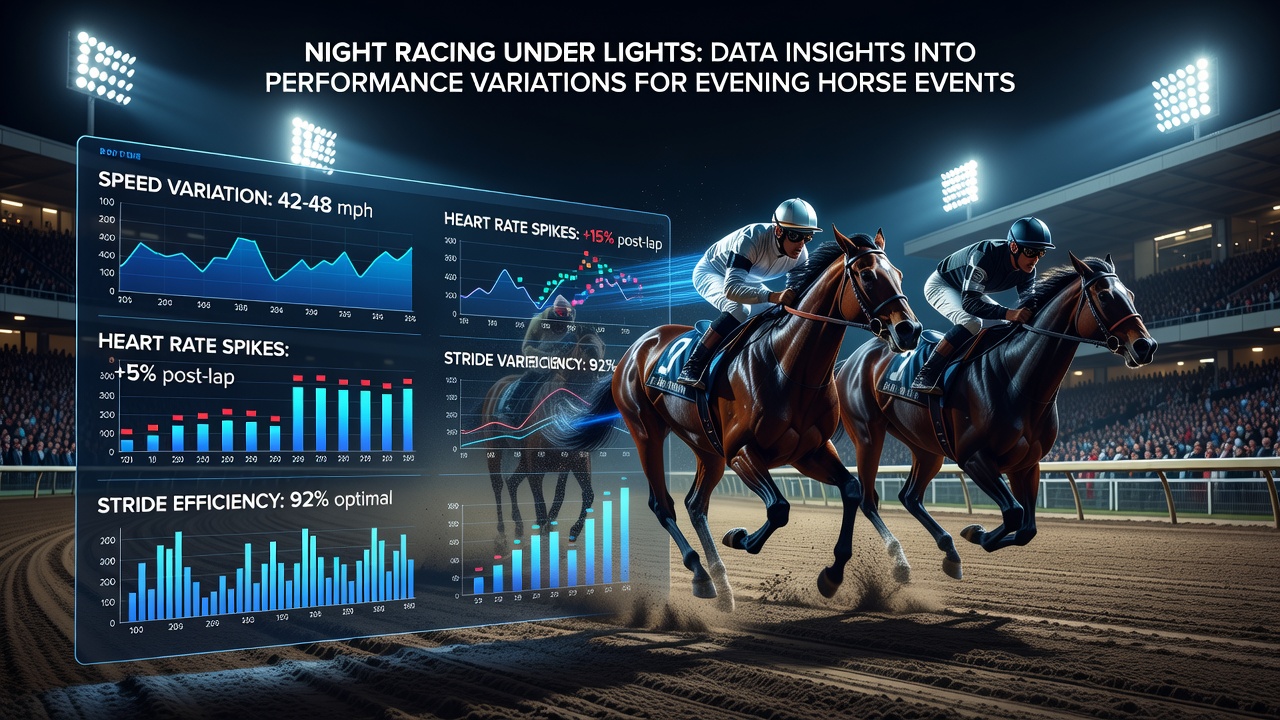
Comparative Analysis Across Regions
Tracks in the United States that host regular twilight and night cards report that two-year-olds adapt more readily to artificial lighting than older horses making their first evening starts. Figures released by The Jockey Club indicate that juvenile win rates in night races have remained stable over the past three seasons, whereas mature geldings show greater variability tied to prior exposure. In contrast, Australian data compiled during the 2025-2026 winter season shows that fillies and mares maintain consistent performance levels under lights, with no statistically significant drop in average prize money earned compared to daytime runs.
European venues that switched to LED lighting systems in recent years provide additional datasets, and these upgrades coincide with reduced reports of horses becoming unsettled during the parade ring phase. Observers attribute part of this stability to lower heat output from newer fixtures, which keeps ambient temperatures closer to daytime norms and reduces sweating that can affect post-race recovery.
Implications for Training and Preparation
Trainers who schedule regular evening gallops report that horses develop stronger associations between the floodlit environment and race-day routines, leading to calmer behavior in the mounting yard. This preparation method appears particularly effective for horses transitioning from all-weather daytime racing to turf night events, where surface changes compound the lighting adjustment. Performance records from several major training centers show that horses with at least three prior night starts achieve higher place percentages than those making debut evening appearances, regardless of overall career strike rate.
Conclusion
Comprehensive datasets on evening horse racing continue to expand as more tracks adopt consistent lighting standards and digital timing systems. Patterns identified across multiple regions demonstrate that performance variations exist yet remain manageable through targeted preparation and equipment choices. Ongoing monitoring by industry bodies and academic institutions supplies trainers, owners, and analysts with increasingly granular information that supports evidence-based decisions for future night race campaigns.