Royal Ascot Set for £40 Million Black Market Betting Surge in June 2026
Logan Patterson · Jun 26, 2026

Royal Ascot Set for £40 Million Black Market Betting Surge in June 2026
The Betting & Gaming Council has issued a direct warning that unregulated gambling operators stand to gain substantially during the Royal Ascot festival scheduled for 16–20 June 2026, with forecasts indicating around £40 million will flow through illegal betting websites and platforms over the five-day event. Observers note this projection highlights the expanding reach of criminal operators who bypass licensing requirements and consumer protections that apply to the regulated market.
According to the industry body, evidence of black market growth continues to mount as unregulated operators capture nearly half of all gambling advertising spend in the UK. This shift occurs while stakes placed with these operators could rise from £17 billion in 2026 to more than £33 billion by 2028, figures that reflect accelerating consumer movement toward unlicensed sites when regulatory gaps persist.
Evidence of Expansion in Unregulated Markets
Researchers tracking advertising patterns have documented how illegal operators now dominate nearly 50 percent of gambling promotions across digital channels, a development that allows them to reach audiences during high-profile events like Royal Ascot without oversight. Data from the Betting & Gaming Council shows these operators operate outside the rules that govern licensed bookmakers, which creates uneven competition and leaves bettors exposed to risks that regulated firms must address through responsible gambling measures.
Those monitoring the sector point out that the £40 million projected for illegal stakes during the 2026 festival represents a concentrated spike tied directly to the event's visibility, yet the underlying trend spans the entire year. The growth trajectory from £17 billion to over £33 billion by 2028 suggests the black market could double in scale within two years if current patterns hold, a projection drawn from observed advertising spend and customer acquisition data.
Calls for Policy Adjustments
The Betting & Gaming Council urges government and regulators to implement measures that strengthen the licensed sector's position, arguing that such steps would reduce the incentives driving consumers toward criminal operators. Industry reports indicate that when regulated operators face restrictive policies while unregulated sites operate freely, the imbalance accelerates black market gains during peak periods such as Royal Ascot.
Analysis of the festival period reveals how major racing events concentrate betting activity, making them particularly attractive targets for illegal platforms that avoid tax obligations and age verification standards. Figures released by the council show the £40 million estimate accounts for both online and mobile activity routed through offshore or unlicensed entities during the five days of racing.
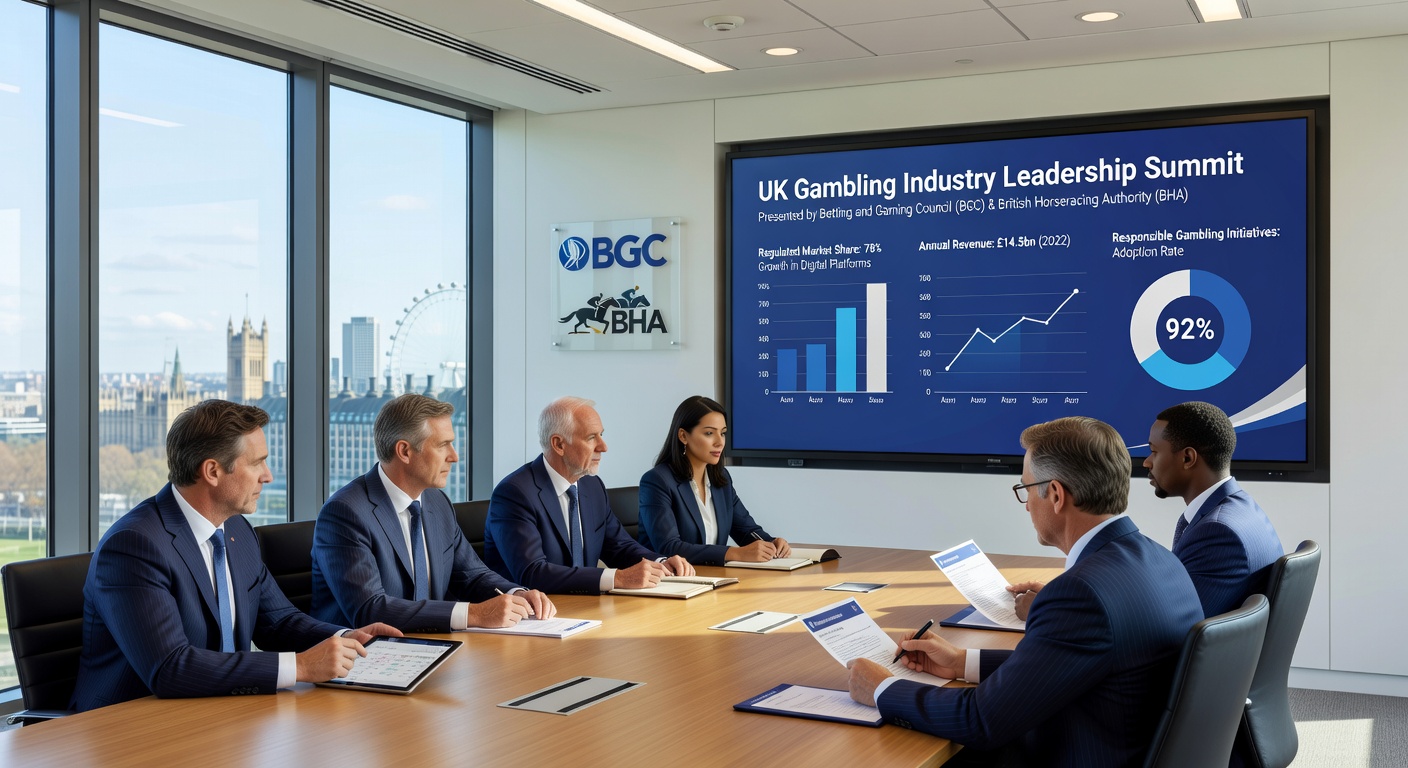
Stake projections extending to 2028 illustrate how current advertising dominance by unregulated operators could translate into sustained revenue growth for criminal networks. The council's data connects this expansion to gaps in enforcement and policy support for the licensed market, noting that nearly half of all visible gambling promotions now originate from entities outside regulatory frameworks.
Impact on Licensed Operators and Consumers
Licensed betting companies operating under UK Gambling Commission oversight must comply with strict advertising codes, player protection protocols, and tax requirements that do not apply to their illegal counterparts. This disparity becomes most visible during events like Royal Ascot when promotional activity intensifies and consumers encounter both regulated and unregulated options simultaneously.
Evidence compiled by the Betting & Gaming Council demonstrates that black market operators leverage the same sporting calendars as licensed firms yet escape the costs associated with compliance. The resulting £40 million projection for the 2026 festival underscores how these cost advantages allow criminal operators to offer competitive odds without contributing to the regulatory system that funds harm prevention initiatives.
Those studying market dynamics note the projected rise from £17 billion to over £33 billion in black market stakes by 2028 would represent a fundamental shift in where UK consumers place bets, particularly around marquee fixtures. Policy recommendations from the council focus on closing enforcement loopholes and adjusting tax and advertising rules to reduce the competitive edge currently held by unregulated sites.
Conclusion
The Betting & Gaming Council's assessment ties the £40 million Royal Ascot forecast directly to broader patterns of black market expansion, with advertising spend data showing unregulated operators controlling nearly half the market and total stakes potentially reaching £33 billion by 2028. Supporting analysis reinforces the connection between event-driven spikes and year-round growth in illegal betting activity. These figures illustrate the scale of the challenge facing regulators as the 2026 festival approaches.