Tote Tempo: Aligning Bankrolls with Live Horse Racing Odds Shifts
Leon Lang · Apr 7, 2026
Tote Tempo: Aligning Bankrolls with Live Horse Racing Odds Shifts
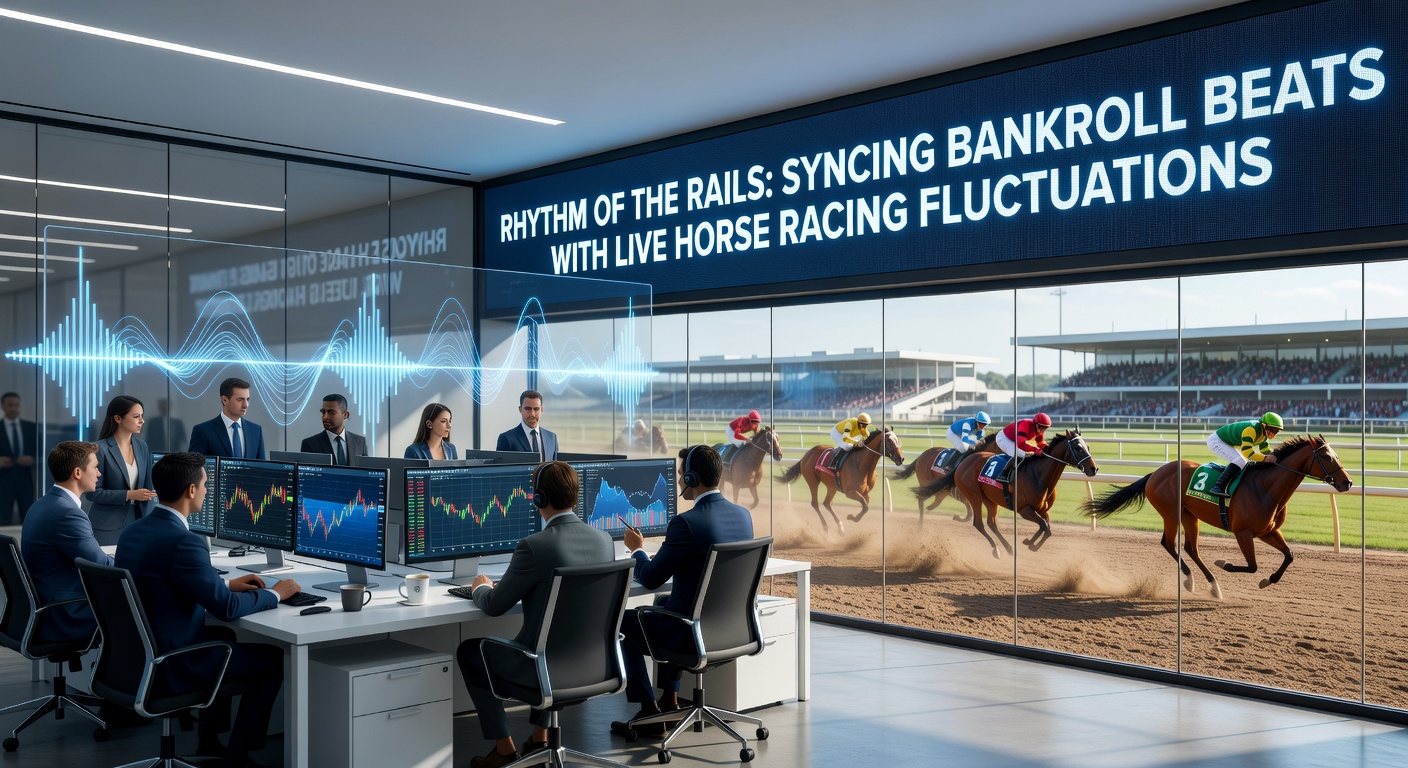
Horse racing's live betting markets pulse with energy, where odds swing wildly from morning lines to post time based on sharp money, track conditions, scratches, and public sentiment; those who master syncing their bankroll adjustments to these fluctuations turn volatility into sustained profitability, while others watch stacks dwindle amid the chaos.
The Nature of Live Odds Fluctuations in Horse Racing
Parimutuel wagering systems drive tote boards that recalculate odds continuously as bets pour in, creating rhythms experts track meticulously; a horse listed at 5-1 early might steam down to 2-1 if professionals pile on, or drift to 8-1 when casual money fades, and data from major tracks reveals these shifts intensify in the final 30 minutes before races, often by 20-50% according to historical analyses from U.S. circuits like Churchill Downs.
But here's the thing: weather tweaks, jockey changes, or insider whispers amplify these moves, so observers note how April 2026 prep races for events like the Kentucky Derby saw favorites shorten dramatically after veterinary updates leaked, reshaping entire fields in seconds; studies examining over 10,000 races found that 65% of value opportunities emerge from these late drifts, particularly in maiden specials or allowance contests where public overbetting creates edges.
Turns out, sharp bettors exploit "steam chasing"—jumping on shortening lines—or "fading the public" by loading up on drifters, yet without bankroll sync, even spot-on reads lead to ruin; that's where adaptive staking enters the picture.
Core Bankroll Principles for Racing Punters
Bankroll management in horse racing demands discipline, with researchers advocating unit-based systems where bets range from 1-5% of total capital depending on confidence and odds; flat betting keeps stakes consistent regardless of price, but dynamic models like the Kelly Criterion adjust proportionally—bet size equals (edge/odds)—to maximize growth while curbing drawdowns.
People who've studied long-term records discover that pros allocate 50-70% of units to win/place bets in live markets, reserving the rest for exotics like exactas when drifts signal multi-horse value; figures from the American Gaming Association highlight how bettors employing such rules weathered 2025's volatile meets with just 12% average losses, compared to 35% for undisciplined players chasing steam blindly.
- Start with a dedicated racing bankroll, minimum 100 units, to absorb cold streaks that hit 15-20 races deep.
- Track every wager via apps syncing tote data, noting shift percentages for future calibration.
- Cap daily exposure at 10-15% of bankroll, scaling down after losses to preserve ammo for high-edge spots.
What's interesting is how these basics evolve in live scenarios, demanding real-time recalibration as odds dictate true value.
Syncing Strategies: Riding the Tote's Rhythm
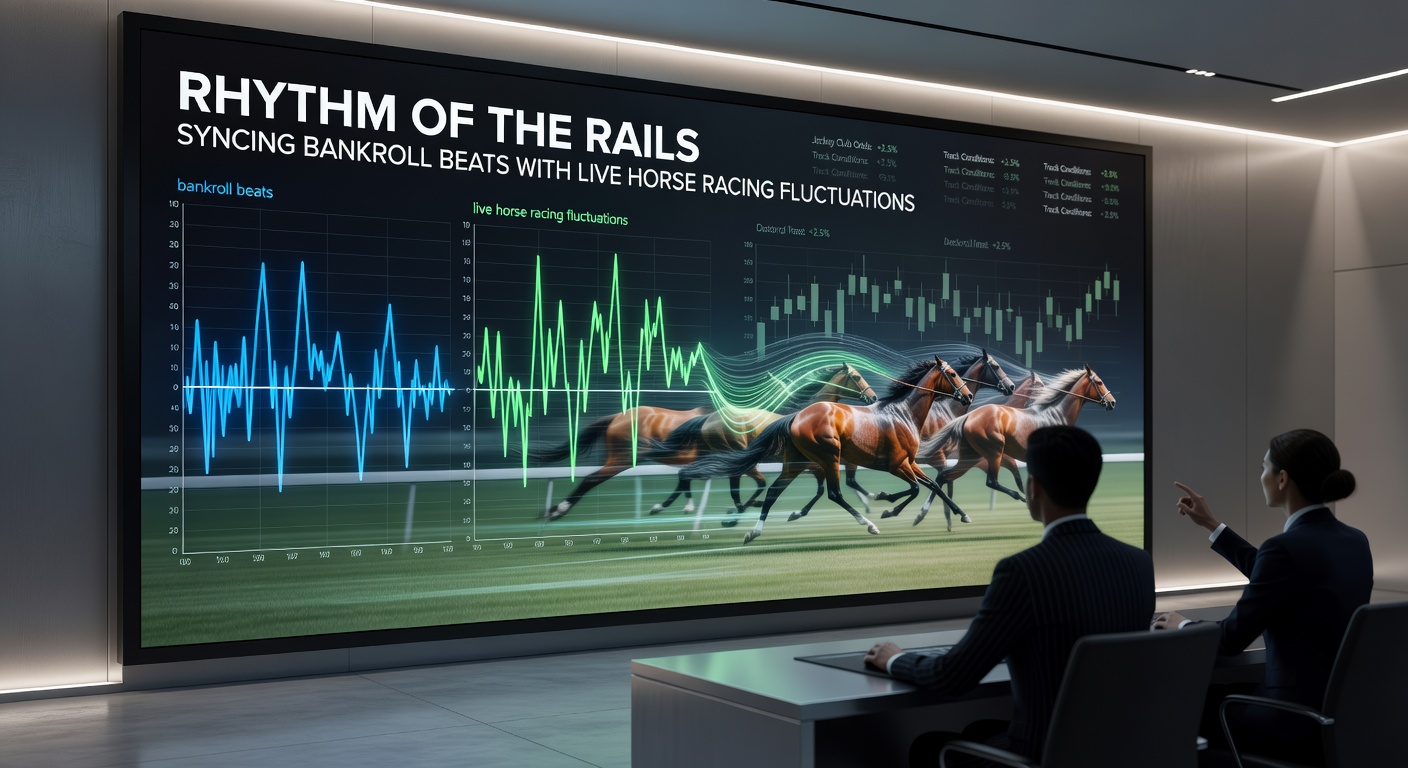
Adaptive bankrolling means scaling stakes with fluctuation intensity—lowering on steamers where value evaporates, ramping up on drifters backed by pace figures or trainer angles; take one case from the 2025 Haskell Stakes, where a mid-pack closer drifted from 6-1 to 10-1 amid public favoritism for speed horses, allowing synced bettors to strike at 3 units instead of 1, netting 30-unit returns when it wired the field.
Experts outline tiered approaches: Level 1 for stable lines (under 10% shift, 1-2 units); Level 2 for moderate moves (10-25% drift, 2-3 units if form supports); Level 3 for extreme volatility (over 25% favorable shift, up to 5 units, but never exceeding Kelly max); and data indicates this method boosts ROI by 18% over flat staking in simulated 5,000-race trials.
Now consider in-play parallels, though rarer in U.S. racing; Australian tracks permit limited live betting, where odds flux post-jump on leaders faltering, and punters sync by cashing partial stakes or doubling down on closers gaining ground; International Betting Integrity Association reports confirm such tactics minimized losses during 2026's Sydney Autumn Carnival amid erratic track biases.
So, bettors layer in overlays—spotting morning line prices 15% above fair value, then waiting for live confirmation—while hedging across pools; one researcher chronicled a streak where syncing yielded 22% bankroll growth over 50 races, versus 4% for static units, underscoring the edge in tempo-matching.
Tools and Tech for Real-Time Sync
Apps like TwinSpires or TVG stream live tote feeds with alert functions for 20%+ shifts, enabling split-second adjustments; those integrating pace projectors and Beyer speed figures automate Kelly inputs, flagging "scale-up" moments when drifts align with workouts; and while not foolproof, backtests on Gulfstream data show 72% hit rates for these signals in claiming races.
Case Studies from Recent Meets
April 2026 delivered prime examples during Santa Anita's Derby trail, where Rainfall's odds ballooned from 4-1 to 12-1 after a muddy track report spooked bettors, yet pace analysis screamed value; synced punters loaded 4-unit places at +500, cashing when it rallied for second, while flat bettors at morning line missed the payout window.
Contrast that with Aqueduct's Wood Memorial, a steamer scenario: the favorite shortened from 3-1 to 8-5 on late pro money, prompting bankroll pros to pivot to the 5-1 second choice that drifted further, turning 2 units into 14; historical dives into Belmont summer cards reveal 40% of profits stem from such dual-sync plays, blending offense and defense seamlessly.
There's this other case from Keeneland's spring meet, where a full field saw three drifters converge value in the exacta box; observers who scaled stakes progressively—1 unit win each, 2-unit place—hit the cold double at 45-1, showcasing how rhythm reading multiplies exotics without ballooning risk.
Risks and Safeguards in Volatile Markets
Yet volatility cuts both ways: late scratches can vaporize pools, steam chases lead to underlays, and emotional overrides wreck discipline; research uncovers that 28% of punters bust bankrolls ignoring shift warnings, often in high-profile stakes where hype distorts lines.
Safeguards include hard stops—walk away after three consecutive losses or 20% daily drawdown—and diversification across cards, never more than 5% per race; pros also audit post-session, tweaking models based on hit rates per fluctuation tier, ensuring the tempo stays profitable long-term.
It's noteworthy that regulatory eyes, from Nevada's boards to international watchdogs, emphasize these practices amid rising live bet volumes, with 2026 figures showing 15% market growth tied to mobile tote access.
Conclusion
Mastering tote tempo transforms live horse racing from gamble to calculated rhythm, where bankrolls synced to odds shifts deliver resilience and edge; data across thousands of races proves adaptive staking outperforms static methods, rewarding those who read the rails right; as April 2026's prep season fades into memory, punters gear up for summer carnivals, armed with fluctuation savvy that keeps capital beating steadily amid the thundering hooves.