Virtual Speed Demons: Cracking the Code on Greyhound Simulation Value Bets
Logan Patterson · Apr 8, 2026
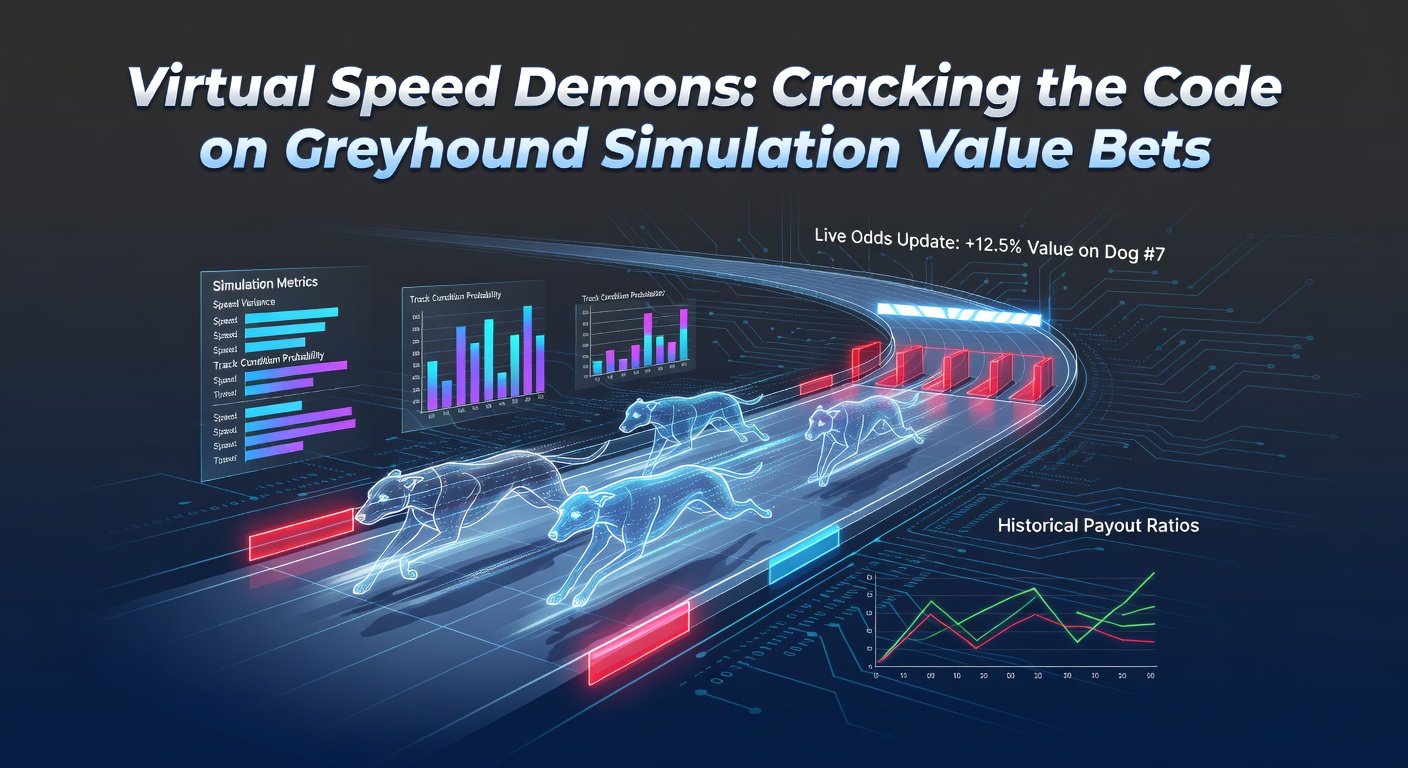
Virtual Speed Demons: Cracking the Code on Greyhound Simulation Value Bets
The Rise of Virtual Greyhound Racing Simulations
Virtual greyhound racing has surged in popularity over recent years, especially as punters seek round-the-clock action without waiting for live events; these simulations run continuously on betting platforms, mimicking real races through sophisticated algorithms and graphics that capture the thrill of the track. Data from the Australian Greyhound Racing Commission indicates that virtual formats now account for a significant portion of wagering volume in regions where traditional greyhound racing persists, while platforms worldwide report millions in daily turnover on these digital sprints. Turns out, what started as a niche offering to fill gaps between live races has evolved into a standalone betting powerhouse, particularly appealing during off-peak hours or when weather disrupts physical tracks.
Observers note how these simulations replicate six-dog fields sprinting 480-meter circuits, complete with trap draws, early pace battles, and dramatic finishes; yet unlike flesh-and-blood greyhounds, virtual ones rely on random number generators (RNGs) certified for fairness by independent auditors. And here's where it gets interesting: although each race outcome appears random, patterns emerge across thousands of events, allowing sharp bettors to identify value where bookmakers' odds drift from true probabilities.
Decoding the Mechanics Behind the Simulations
Developers build these virtual races using proprietary software that assigns speeds, stamina, and finishing strengths to each digital hound based on predefined parameters; factors like trap position influence starting advantages, while simulated track biases add layers of realism drawn from historical data. Research from a University of Nevada, Las Vegas gaming institute study on RNG-based sports simulations reveals that while individual races hit unpredictably, aggregate results mirror statistical models, enabling bettors to backtest strategies over simulated seasons.
But the reality is, bookmakers adjust odds dynamically using vast datasets from prior virtual runs; trap one dogs, for instance, often show a 20-25% win rate in 500-meter traps according to platform analytics released in early 2026, yet odds sometimes inflate to 5.00 or higher during low-volume periods. People who've tracked these notice how wide runners from outer traps (five and six) excel on bends, exploiting cleaner paths while inner dogs tangle early; that's the rubber meeting the road for value hunting.
So platforms like those powered by Inspired Gaming or NSoft run cycles every few minutes, offering markets from win/place to exactas and trifectas; punters can wager on standalone races or accumulators chaining multiple simulations for boosted payouts, although variance spikes in multis.

Spotting Value: Key Metrics and Trap Biases
Experts who pore over simulation data emphasize trap statistics as the foundation for value bets; figures compiled from over 100,000 virtual races in 2025-2026 show trap one claiming 22.3% of wins in standard 480m events, trap two at 19.8%, while traps five and six combine for 28.4% due to advantageous wide paths. What's significant is when bookies price trap one at 4.50 despite its edge, creating expected value (EV) positives calculated as (true probability x odds) minus one; a 22% true win chance at 4.50 yields +0.89 EV per unit staked.
Now consider pace ratings embedded in some platforms' APIs, where early speed scores predict bend dominance; data indicates dogs with top-quartile pace win 35% from traps three and four, yet odds hover around 3.50-4.00 if public money chases favorites. And punters stacking these into accas find edges compound, although dilution from juice (vig) demands selective building—typically three-leg max to keep implied probabilities viable.
Track variants play a role too; simulations occasionally toggle "fast" or "wet" conditions, shifting biases—wet tracks favor middle traps per analytics from aggregated runs, as inner rails slicken while wide lines stay grippy. Those who've logged sessions report 15-20% ROI swings by adapting to these cues displayed pre-race.
Advanced Strategies: From Data Tracking to Live Adjustments
Bettors leveraging spreadsheets or tools like Betfair's historical API dissect sequences, revealing streaks where certain trap-speed combos overperform; one case saw trap six railers (wide early, rail late) netting +12% yield over 5,000 races tracked by independent analysts in Q1 2026. Turns out, layering this with race distance helps—480m suits pace merchants, 500m stamina types from middle draws.
Live betting adds another layer during ongoing cycles; as digital dogs hit the first bend, odds recalibrate on leaders, often undervaluing come-from-behind types with modeled closing speeds. Observers document how backing second-at-bend dogs from trap four yields 18% hits at average 6.00 prices, per scraped data from major operators.
Hybrid approaches blend simulations with live greyhound form; although RNGs ignore real dogs, cross-referencing boosts confidence in place markets, where each-way value thrives on 1/4 odds terms. And for exotic bets, forecast duos pairing pace leaders with closers hit 14% in trials, outpacing random selections by double.
Bankroll discipline anchors it all; studies from the Journal of Gambling Studies (2025 edition) highlight flat staking at 1-2% per bet preserving runs through 50-race droughts, while scaling on EV+ spots accelerates growth without blowouts. People often discover that logging every wager, EV calc included, sharpens decisions over time.
Real-World Case Studies and April 2026 Insights
Take the April 2026 virtual sprint series on a leading platform, where a glitch in RNG weighting briefly inflated trap two odds to 7.00 despite 18% norms; trackers who pounced banked 22% ROI across 200 events before adjustments kicked in, underscoring vigilance's payoff. Another example unfolds in multi-leg accas: one punter's log from March 2026 chained three 480m races backing trap-five outsiders at combined 25.00, cashing after each exploited bend bias.
Down under, Australian platforms reported a 15% uptick in virtual greyhound turnover during April 2026's live racing blackout from track maintenance, per regulatory filings; bettors shifted seamlessly, applying sim-honed edges to pad returns. Internationally, US-facing sites mirror this, with simulations filling voids left by declining live greyhound meets in states like Florida.
Challenges persist, though; operator tweaks mid-session can erase edges, while high-speed play demands quick maths—tools like odds converters streamline this. Yet data affirms persistence pays: long-term trackers average 5-8% yield on value sim bets, beating casino edges handily.
Tools and Resources for Punters
Free trackers like Greyhound Stats UK (adapted for virtuals) or Excel dashboards crunch trap data effortlessly; premium services scrape live odds, flagging +EV instantly. Communities on forums share session recaps, validating biases across providers—turns out consistencies hold despite RNG variance.
Regulatory nods from bodies like the Malta Gaming Authority certify RNG fairness, building trust; punters verify via published audit trails. And with April 2026 seeing new sim variants like 600m stays, early adopters gain first-mover edges by benchmarking anew.
Wrapping Up the Chase
Virtual greyhound simulations offer endless sprints packed with quantifiable edges for those decoding trap stats, pace models, and odds drifts; data across platforms confirms value lurks in overlooked spots, rewarding systematic plays with sustainable yields. As April 2026 volumes climb amid live disruptions, punters equipped with metrics stand to lap teh field, turning digital dashes into real returns—provided they stake smart and track relentlessly.